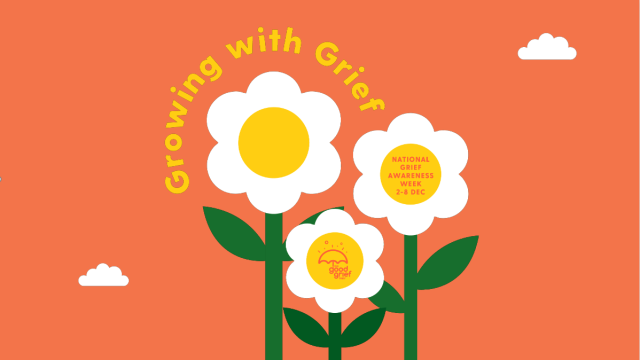
National Grief Awareness Week (2 to 8 December 2025) is an important time to help people understand grief, support those who are grieving, and learn more about what the grieving process is like. It reminds us that grief is a normal reaction to losing someone or something important and works to reduce the stigma around this very personal experience.
We spoke with Jo Wemyss, Project Officer for the North Region at Cruse Bereavement Support, to ask her advice on managing grief after losing someone you have been caring for.
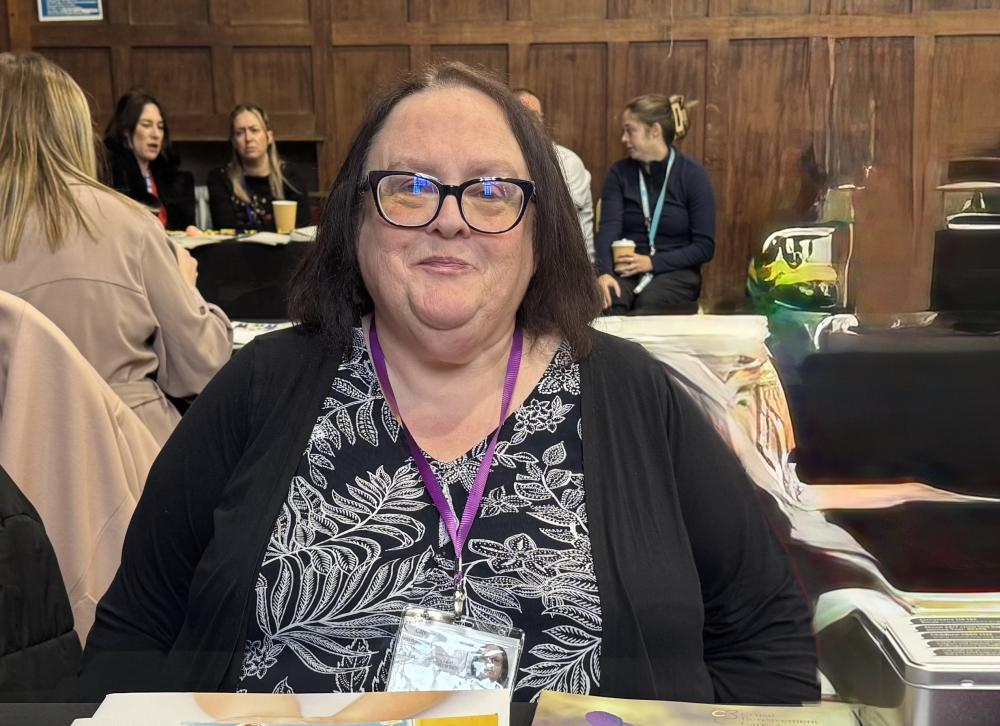
Jo has been a volunteer with Cruse Bereavement Support for 11 years and has a staff role at the organisation as Project Officer. Before joining Cruse, she worked in the care sector from the time she left school. This background has given her a deep understanding of the grief that carers can experience, as well as the complex and often emotional relationships that can develop in caring roles.
Understanding Grief
What makes each person’s experience of grief unique?
Jo: “There is no right way to grieve. Each person’s grief is individual and is shaped by our memories, the love we shared and the moments that made our relationships unique. Grief is influenced by the circumstances of the death and the special connection we had with the person who has died. Carers may also grieve the loss of their caring role, feeling a gap in their lives that, with time, may begin to close. However you are feeling, whatever your experience looks like, your grief is unique to you.”
Why can grief come with a mix of emotions, not just sadness?
Jo: "Grief is a complex and deeply personal process and it is completely normal to experience a mix of different emotions. These feelings can come and go or change with time. Some common emotions people may experience include: anger, sadness, guilt, relief, numbness, yearning, confusion, anxiety and in time, hope."
Emotional Reactions
What common feelings do people tend to experience after a loss?
Jo: “After the death of a loved one, it is common to experience a wide range of emotional and physical reactions. You may feel numb or shocked, even if the death was expected. Feelings of guilt or regret are common and many people feel confused or have difficulty focusing, or trouble making decisions.
“You might also experience anger or unexpected outbursts, which can feel confusing or frightening. Grief can take a toll on the body as well, leaving you feeling exhausted, ill, or making existing health conditions feel more intense. These responses to grief are normal and they are part of the grieving process."
Reaching Out for Support
What forms of grief support (counselling, groups, online resources) can be most helpful?
Jo: “Support from family and friends can be invaluable, when it is available. There are also many other ways to access help when you need it. A visit to your GP is always recommended, as they can offer guidance and assist you with additional support.
Local bereavement groups and community hubs can provide a safe space to share experiences and find information. There are also many helpful resources available online and the following are just a few examples of what you may find.
Cruse – supports adults, children and young people by phone, in person or video call.
Hope Again – resource for children and young people
Winstons Wish - resource for children and young people
AtaLoss – helps to find groups in the local area
Survivors of Bereavement by Suicide – resources for anyone struggling after bereavement from suicide
Bereavement Advice Centre call 0800 634 9494
How can someone recognise when they might benefit from professional support?
Jo: “Grief is a process, and over time most people gradually adapt to life without their loved one, slowly beginning to feel more able to cope. However, when this doesn’t happen and grief becomes prolonged or increasingly complex, it can be helpful to access professional support.”
Looking After Yourself
What steps can people take to care for themselves in the early stages of grief?
Jo: “In the early stages of grief, emotions can feel overwhelming and it is important to accept help from family, friends and kind neighbours when it is offered. You may find that sleep is difficult, so try to rest whenever you can. Eating regular meals can also be challenging, so smaller meals or light snacks throughout the day may feel more manageable.”
Rebuilding After Loss
How can people start to adjust when life feels very different after a loss?
Jo: “Grief is a very individual experience and takes time to work through. Staying connected with family and friends, where possible, can help with the adjustment. Exploring a new hobby or interest, or joining a group, can bring moments of happiness and lift your spirits. Adjustment is about gradually discovering who you are without your loved one.”
Any final advice to people?
Jo: "There are many ways to access support if you are struggling to cope or simply want to talk to others who understand some of the feelings and thoughts you may be experiencing.
Grief does become more manageable over time, and gradually we learn to grow around it, finding ways to continue with our lives while carrying the memory of our loved one with us."
For more information about Cruse visit the website
Or Tel 01642 210284
Visit our Grief and Loss page to find out about other local support services and more information.