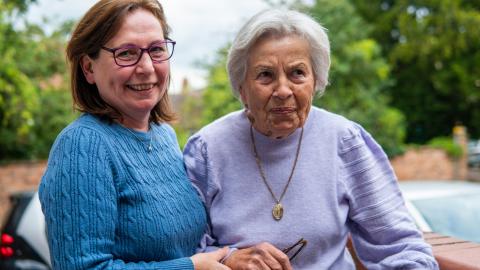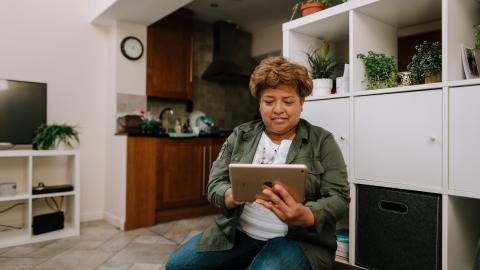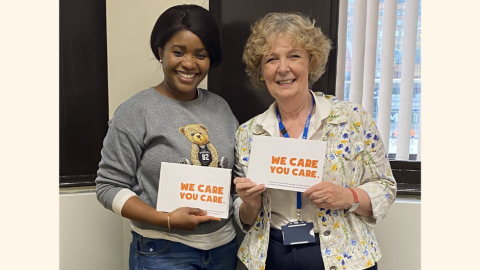

This week is Loneliness Awareness Week, a chance to talk openly about loneliness and the impact it can have on our lives. If you're caring for a family member or friend, loneliness may be something you've experienced yourself.
Caring can leave little time for seeing friends, pursuing hobbies, working, or taking part in activities that were once a regular part of your life. Over time, it's easy for your world to become smaller as caring responsibilities take priority.
Loneliness isn't simply about being alone. It's the feeling of being disconnected, unsupported, or that no one quite understands what you're going through. You can feel lonely even when you're spending most of your time with the person you care for.
Research shows that loneliness and social isolation are common among unpaid carers, particularly those providing high levels of support. It can affect confidence, wellbeing and mental health, which is why it's important to recognise it and seek support when you need it.
There is no quick fix, but staying connected can make a real difference. That might mean keeping in touch with friends and family, talking to other carers who understand, joining a local group, or finding opportunities to take a break and do something for yourself.
Local support for unpaid carers
If you're looking for support, there are a range of organisations and groups across South Tees that can help you connect with others and access advice.
- Carers Together – peer support, information and regular events and activities where you can meet other carers.
- Teesside Mind – peer support groups and wellbeing services for adults.
- The Junction Foundation – support for young carers and young adult carers.
- Mobilise – online support and community for unpaid carers.
- Dementia Action Teesside – regular dementia-friendly dances and activities across Middlesbrough and Redcar & Cleveland.
- Age UK Teesside – befriending and carers connect services and social opportunities. They are also currently offering digital support for people aged 50+ in Redcar and Cleveland, helping people get online and stay connected with friends and family.
- Social Prescribing – ask your GP surgery about social prescribing services, which can help connect you with activities, groups and support in your local community.
These are just some of the options available. Community centres, village halls, libraries, faith groups, local charities can also be good places to meet people and build connections.
Explore our website as well for more information about groups and organisations.