I know him best…
From the day Bobby was born I knew he was different. Call it a mother’s intuition.
Within his first three years he had been through more than most people experience in their lifetime and yet he could walk into a room, clutching his toy car, and light it up with a smile. Completely oblivious to the world outside of his little bubble.
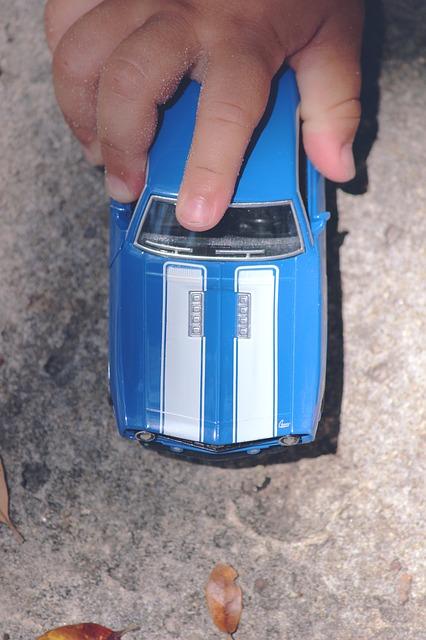
He had very few choices due to his inability to communicate. He ate what I put in front of him. He went where I took him. He played with the toys I gave him.
When Bobby was two, we introduced picture exchange communication. Professionals favoured Applied Behaviour Analysis (ABA) as a communication tool. In Bobby’s situation, this consisted of him being denied access to his favourite toys, food, drink, and other comforters until he exchanged a symbol picture to ask for it. He would sit with his favourite toy car placed across the table, just out of reach, unable to touch it and yet not having the understanding to pick up the picture and hand it to the teacher to gain access to it. It caused him too much unnecessary distress and I felt that was teaching him nothing. That toy car to us is a battered piece of metal with the tyres chewed off, but to him, it was his most treasured possession. He couldn’t hear what they were asking him to do. He didn’t understand sign language. He didn’t like them touching his hand and forcing him to do something.
Professionals would come to my house and tell me ‘He’ll never learn picture exchange if you always have a drink available to him…’ Their idea of teaching meant I should withhold food and drink from Bobby until he picked up a picture that represented what he wanted, brought it to me and put it in my hand. Sounds simple? Sure… but for a child with limited understanding and no hearing, it didn’t make sense.
I decided to take a different approach. I didn’t want Bobby to experience trauma to teach him a method of communication that enabled him to gain access to things other children could access so freely.
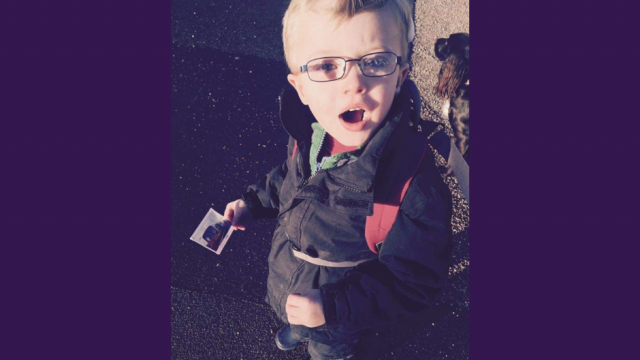
I took photos of all his favourite toys, food, drinks, places he liked to visit and created a book that was familiar to him. A book that gave him choices. There were no rules, there were no meltdowns, there was no reason to withhold anything from him. I knew he would use it when he was ready, in his own time. When he started playing with a certain toy, I would show him the picture and leave it out, so he became familiar with it. Every time he had a drink I would show him a picture, so that too became familiar. Every time he had an egg sandwich or a bowl of chips, I would show him a picture… We went to the shop with a photo of the place we were visiting. Within months Bobby had become familiar with his book and began to make choices for himself. When prompted he would point to what he wanted. It became his breakfast menu, his toy library, and his tour guide all in one.
Within a year Bobby started travelling to bring me pictures out of his book. The excitement on his face when he knew I acknowledged his request… He finally had a voice, he could ask to go to the park or swimming, he could instigate a trip to the shop for sweets or pick what he wanted to watch on TV, all through a homemade photo book.
I don’t care if it took longer, I don’t care if their way is better. I did what was right for my son. I found a way to make it work for him. Bobby is now 9 years old, and this is still his chosen method of communication. We update the pictures regularly and it now includes people, routine, school and is a way of preparing him for change or a trip away.
The intense bond between mother and son that we have developed is because regardless of the professional’s opinion, the way I was told raising him ‘should’ be done, the endless advice and ‘we know what we’re talking about’… I am his mother and I know him best.
Abby’s blog really captures the need for carers to be recognised as equal partners in health and social care settings. If you would benefit from connecting to support, see the range of local options via the image below: